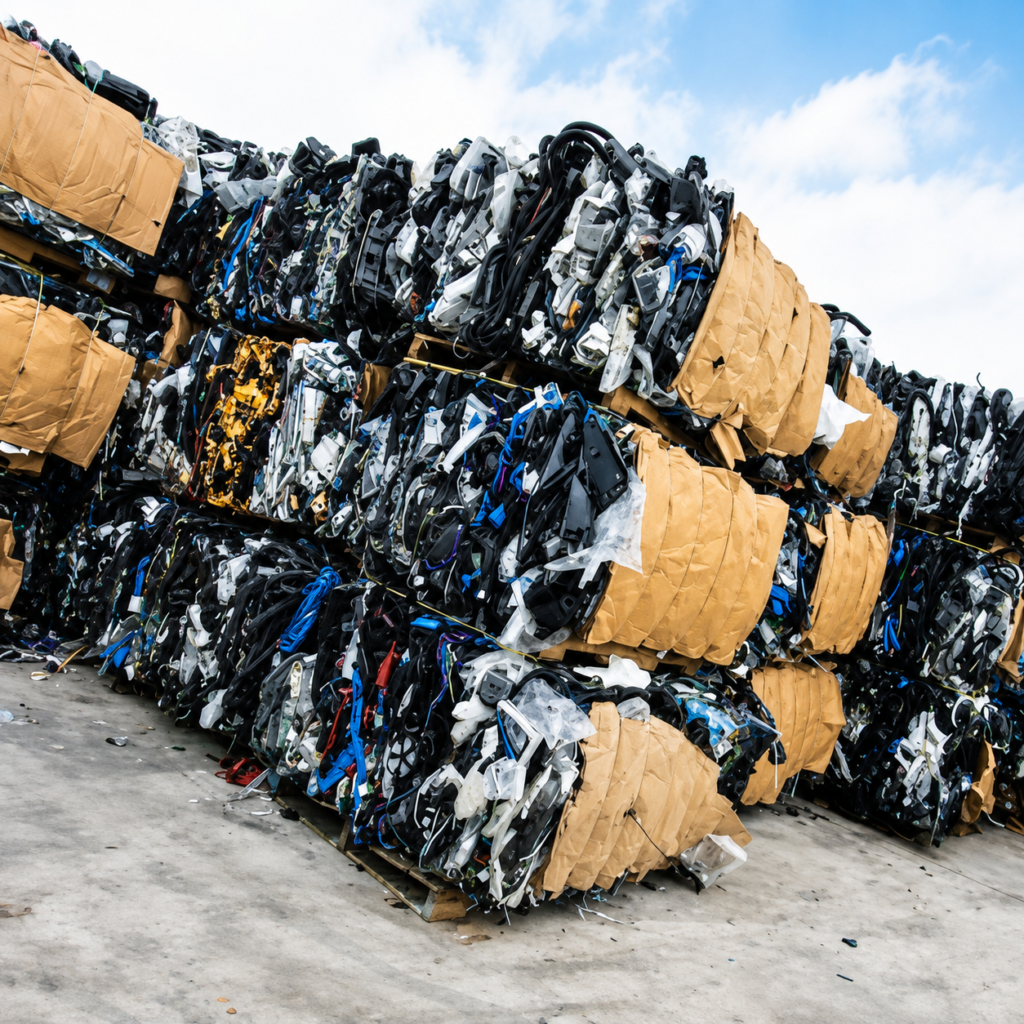
WEEE Scrap consists of unwanted, obsolete, damaged or end-of-life electrical and electronic equipment collected for recycling and material recovery. It can include computers, laptops, mobile phones, servers, circuit boards, processors, RAM, hard drives, electrical cables, power supplies and various electronic components.
Electronic equipment contains a combination of metals, plastics and other materials that can potentially be recovered through appropriate recycling processes. Depending on the equipment, materials may include copper, aluminium, steel, plastics and small quantities of precious metals.
What Is WEEE Scrap?
WEEE Scrap refers to electrical and electronic equipment that is no longer required or suitable for its original purpose. Instead of sending these materials for disposal, appropriate recycling can allow useful resources to be recovered and returned to the supply chain.
Common sources include offices, IT facilities, manufacturing businesses, electrical equipment suppliers, telecommunications operations, households and industrial facilities.
Types of WEEE Scrap
There are many different types of WEEE Scrap, including computer equipment, communication devices, electrical components and electronic hardware.
Common examples include:
- Computer Scrap
- Laptop Scrap
- Computer RAM Scrap
- CPU Scrap
- Ceramic CPU Scrap
- Motherboard Scrap
- Hard Drive Scrap
- Mobile Phone Scrap
- Printed Circuit Board Scrap
- Electrical Cable Scrap
- Power Supply Scrap
- Server Scrap
- Electronic Component Scrap
- Electrical Equipment Scrap
WEEE Scrap Technical Specifications
The technical characteristics of WEEE Scrap can vary depending on the equipment category, source, age, composition and degree of sorting. The following specification provides a general description for commercial classification.
| Specification | Description |
|---|---|
| Product Name | WEEE Scrap |
| Material Category | Waste Electrical and Electronic Equipment |
| Material Type | Mixed or sorted electrical and electronic equipment |
| Typical Materials | Copper, aluminium, steel, iron, plastics, circuit boards and electronic components |
| Electronic Components | CPUs, RAM, PCBs, hard drives, connectors, power supplies and other components |
| Copper Content | Variable depending on equipment and cable content |
| Aluminium Content | Variable depending on equipment type |
| Ferrous Content | Variable depending on equipment housings and components |
| Plastic Content | Variable depending on product type |
| Precious Metal Content | May contain trace quantities of gold, silver, palladium or other recoverable metals |
| Form | Whole equipment, dismantled components or sorted scrap |
| Condition | Used, obsolete, damaged, surplus or end-of-life |
| Sorting | Mixed or graded/sorted |
| Moisture | Preferably clean and dry |
| Contamination | Should be minimised |
| Packaging | Pallets, boxes, cages, containers, bales or bulk loads |
| Application | Recycling, material recovery and secondary raw-material processing |
Specifications may vary according to the actual WEEE Scrap grade, equipment type and composition.
Recycling Process
The recycling of WEEE Scrap generally involves collection, inspection, sorting, dismantling and material separation. Equipment may be separated according to its type and composition before being processed through appropriate recycling systems.
Metals such as copper, aluminium, iron and steel can be recovered from suitable equipment, while plastics and electronic components may be separated into their respective material streams.
Materials Recovered from WEEE Scrap
WEEE Scrap can contain several valuable recyclable materials. Copper is commonly found in cables, wiring, motors and electrical components, while aluminium and steel may be present in equipment housings and structural parts.
Certain electronic components and circuit boards may also contain small quantities of precious metals such as gold, silver and palladium. The quantity and value vary according to the type and grade of electronic equipment.
Benefits,
Recycling WEEE Scrap helps recover useful resources from unwanted electrical and electronic equipment. It can reduce the amount of material sent for disposal while supporting the reuse of secondary raw materials.
Proper recycling also contributes to resource conservation and the development of a circular economy by keeping recyclable materials in productive use for longer.
WEEE Scrap for Businesses
Businesses can generate significant quantities of WEEE Scrap when replacing computers, servers, telecommunications equipment, electrical appliances and other electronic hardware.
Separating equipment into suitable categories can improve material identification and make recycling more efficient. Larger commercial quantities can also be consolidated for collection and processing.
Responsible WEEE Scrap Management
Responsible management of WEEE Scrap is important because some electrical and electronic equipment may contain components requiring specialist handling and treatment.
Materials should therefore be stored, transported and processed through suitable recycling channels in accordance with applicable requirements.
Conclusion
It provides an important source of recyclable materials from unwanted electrical and electronic equipment. Computers, laptops, processors, RAM, circuit boards, cables and other electronic components can contain recoverable metals and plastics.
Through proper collection, sorting and recycling, these materials can be recovered and returned to the supply chain while helping reduce unnecessary waste.