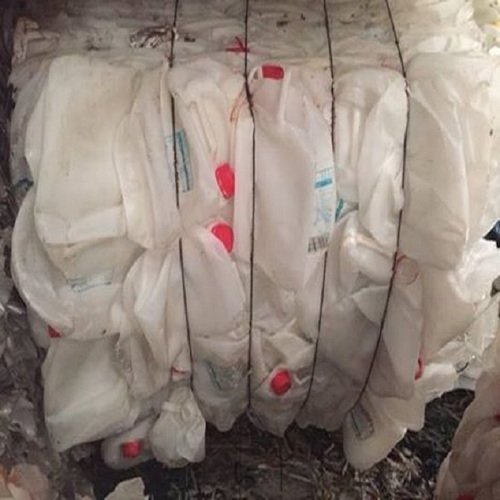
HDPE Milk Bottle Scrap is a widely recycled plastic material sourced from used milk bottles and other high-density polyethylene packaging. Clean, sorted, and properly prepared HDPE scrap is suitable for recycling and can be processed into recycled HDPE material for a wide range of industrial and manufacturing applications.
HDPE Milk Bottle Scrap: An Overview
HDPE Milk Bottle Scrap is primarily generated from discarded or collected plastic milk bottles made from High-Density Polyethylene (HDPE). HDPE is valued for its strength, durability, chemical resistance, and relatively lightweight structure.
After collection and sorting, suitable HDPE milk bottles can be processed through established plastic recycling systems to recover valuable polymer material.
What Is HDPE Milk Bottle Scrap?
HDPE Bottle Scrap consists of used or post-consumer milk bottles manufactured from HDPE plastic. These bottles are commonly collected, sorted by polymer type and colour, and prepared for recycling.
Depending on the source and specification, HDPE bottle scrap may be supplied as loose bottles, compressed bales, shredded material, flakes, or other processed forms.
Types of HDPE Milk Bottle Scrap
Common forms and grades of HDPE milk bottle scrap can include:
- Natural HDPE milk bottles
- White HDPE milk bottles
- Mixed-colour HDPE bottles
- Post-consumer HDPE bottle scrap
- Clean HDPE bottle scrap
- Sorted HDPE milk bottles
- Baled HDPE milk bottles
- Shredded HDPE bottle scrap
- HDPE bottle flakes
The exact grade and condition can vary depending on the collection source, sorting process, and preparation method.
Clean and Sorted HDPE Milk Bottle Scrap
Clean HDPE Milk Bottle Scrap is preferred by many recycling operations because lower contamination can simplify processing and improve material recovery.
Before recycling, HDPE milk bottles may be inspected and sorted according to:
- Polymer type
- Colour
- Cleanliness
- Contamination level
- Moisture content
- Bottle condition
- Packaging method
- Quantity
Caps, labels, residues, and other materials may be separated depending on the buyer’s processing requirements.
HDPE Milk Bottle Scrap Recycling
The recycling of HDPE Bottle Scrap generally begins with collection and sorting. Bottles can then be baled, shredded, washed, dried, and processed into flakes or other recycled HDPE feedstock.
Depending on the required end product, recycled HDPE may subsequently be processed through extrusion, pelletising, injection moulding, blow moulding, or other manufacturing processes.
Recycling HDPE bottles helps recover useful plastic material and can reduce the amount of suitable polyethylene waste sent for disposal.
Applications of Recycled HDPE
Recycled HDPE can be used in various manufacturing applications, depending on its quality and the specifications required by the end user.
Potential applications include:
- Plastic containers
- Non-food packaging
- Bins and storage products
- Plastic pipes
- Household plastic products
- Industrial containers
- Pallets
- Crates
- Plastic sheets
- Construction-related plastic products
- Injection-moulded products
The final application depends on the recycled HDPE grade, processing method, colour, contamination level, and buyer requirements.
HDPE Milk Bottle Scrap Specifications
When purchasing HDPE Milk Bottle Scrap, buyers typically consider the material’s polymer type, colour, cleanliness, contamination, moisture, packaging, and quantity.
| Specification | Typical Description |
|---|---|
| Material | High-Density Polyethylene (HDPE) |
| Source | Used milk bottles / suitable plastic bottles |
| Form | Loose, baled, shredded or flakes |
| Colour | Natural, white or mixed, depending on grade |
| Condition | Clean and sorted |
| Polymer | HDPE |
| Contamination | Subject to agreed specification |
| Moisture | Subject to agreed specification |
| Packaging | Bales or as agreed |
| Recycling | Suitable for HDPE recycling |
| Quantity | Available according to stock and order requirements |
Exact specifications should always be confirmed before purchase, as quality and preparation can vary between shipments.
How to Buy HDPE Milk Bottle Scrap
When sourcing recycled HDPE, buyers should confirm the material grade, colour, cleanliness, contamination level, packaging, quantity, and delivery requirements.
For commercial quantities, it can also be useful to review photographs, specifications, loading details, and other available information before confirming an order.
HDPE Milk Bottle Scrap for Sale
We offer HDPE Milk Bottle Scrap for sale for recycling and industrial applications. The material can be supplied according to agreed specifications, quantities, and packaging requirements.
If you are looking to source clean and sorted HDPE milk bottle scrap, contact us to discuss available stock, specifications, quantities, and delivery requirements.
WhatsApp: +44 7985 714297
Email: info@scrapbaysltd.com
Website: scrapbaysltd.com
Frequently Asked Questions About HDPE Milk Bottle Scrap
What is HDPE Milk Bottle Scrap?
recycled HDPE is used or surplus milk bottle material made primarily from high-density polyethylene and collected for recycling.
Are HDPE milk bottles recyclable?
Yes. HDPE milk bottles are commonly collected and recycled into recovered HDPE material, subject to the condition and suitability of the bottles.
What colour is HDPE milk bottle scrap?
HDPE milk bottles are commonly white or natural, although colour and appearance can vary depending on the source and sorting process.
Why is sorted HDPE milk bottle scrap valuable?
Properly sorted material can make recycling and processing more efficient by reducing unwanted polymers, colours, and contaminants.
What can recycled HDPE be used for?
Recycled HDPE can be used for various products, including containers, bins, crates, pallets, pipes, sheets, and other industrial or household plastic products, depending on the recycled grade.
Conclusion
HDPE Milk Bottle Scrap is a valuable recyclable plastic material that can be recovered from used milk bottles and processed into recycled HDPE feedstock. Clean, sorted, and properly prepared material can support efficient recycling and provide a useful raw material for manufacturers and plastic processors.
Whether you are buying HDPE scraps for recycling, processing, or manufacturing, confirming the material specification, quality, quantity, and packaging is important before completing a purchase.