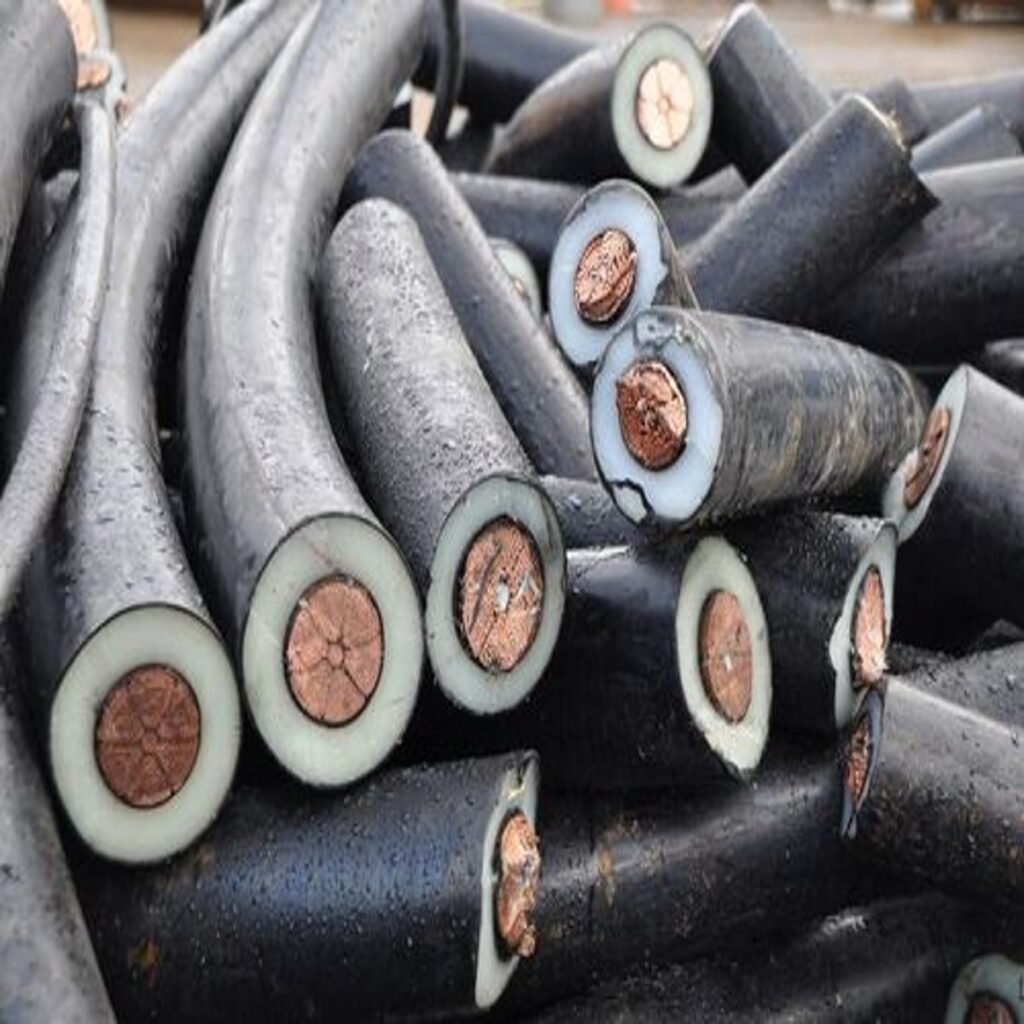
Insulated Copper Cable Scrap: Complete Guide to Recycling & Copper Recovery
What Is Insulated Copper Cable Scrap?
Insulated Copper Cable Scrap consists of discarded electrical cables containing copper conductors covered with plastic, rubber, or other insulating materials. It is commonly recovered from electrical installations, construction projects, telecommunications, machinery, and industrial equipment.
Types of Insulated Copper Cable Scrap
Insulated Copper Cable Scrap can include power cables, electrical wiring, communication cables, flexible cables, control cables, and industrial wiring. Cable size, insulation type, copper content, and construction can vary significantly.
Copper Content and Recovery
Copper Cable Scrap is valued primarily for its copper conductor. The copper is separated from the outer insulation through suitable mechanical processing, allowing the metal to be recovered for recycling.
Insulated Copper Cable Scrap Recycling
Recycling Copper Cable Scrap generally involves collection, sorting, stripping or granulation, separation, and quality inspection. Mechanical processing can separate copper from insulation while producing recyclable plastic fractions.
Quality Factors
The quality of Copper Cable Scrap depends on copper recovery percentage, cable type, insulation material, cleanliness, diameter, contamination, and moisture. Proper sorting can improve processing efficiency and material value.
Applications of Recovered Copper
Recovered copper from Copper Cable Scrap can return to metal-processing and manufacturing industries. Recycled copper may be used for electrical products, wiring, components, industrial materials, and other applications.
Benefits of Recycling
Recycling Copper Cable Scrap helps recover valuable copper, reduce waste, conserve natural resources, and support a circular metals economy. Separating the insulation also allows suitable plastic materials to be recovered where appropriate.
Technical Specifications
| Specification | Typical Description |
|---|---|
| Product | Insulated Copper Cable Scrap |
| Main Metal | Copper |
| Covering | PVC, rubber or other insulation |
| Source | Electrical, construction and industrial cables |
| Form | Whole cable, stripped or processed |
| Copper Content | Varies by cable type |
| Processing | Sorting, stripping or granulation |
| End Use | Copper and material recovery |
| Packaging | Bags, bales, pallets or bulk |
Buying and Selling
When trading Copper Cable Scrap, buyers should consider cable type, copper percentage, insulation, quantity, cleanliness, processing condition, and packaging. Clear specifications help establish appropriate commercial grading.
Sustainability
Using Copper Cable Scrap as a recycling feedstock helps keep copper in circulation and reduces the need for disposal of valuable electrical materials.
Conclusion
Insulated Copper Cable Scrap is an important source of recyclable copper from electrical and industrial applications. Proper sorting, processing, and responsible recycling allow the copper conductor and suitable insulation materials to be recovered efficiently.