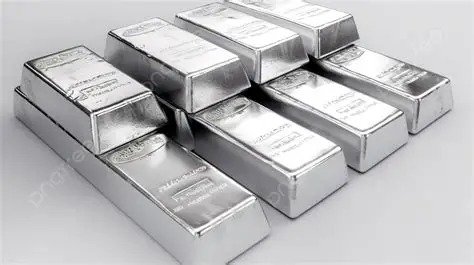
Silver Bullion Bar for Investment and Precious Metal Markets
A Silver Bullion Bar is a refined silver product manufactured in a standardized bar or ingot form. Its value is primarily determined by its silver content, purity, weight, prevailing silver market prices, and the characteristics of the individual bar.
Silver bullion is traded internationally and is used by investors, bullion dealers, precious-metal businesses, industrial users, and other commercial buyers. Bars are produced in a variety of sizes, making them suitable for different wholesale, investment, and industrial requirements.
What Is a Silver Bullion Bar?
A Silver Bar is a quantity of refined silver manufactured into a rectangular or other standardized bar format. Depending on the producer, a bar may be cast or minted and can include markings showing its weight, purity, manufacturer, serial number, or other identifying information.
High-purity silver bullion is commonly represented by fineness levels such as 999 or 999.9 fine silver, although the exact specification depends on the manufacturer and product.
Different Types,
Different forms of Silver Bullion Bar are available in the international precious-metals market, including:
- Cast silver bars
- Minted silver bars
- Investment silver bars
- Fine silver bars
- 999 silver bars
- Refinery silver bars
- Commercial silver ingots
- Wholesale silver bars
The appropriate format depends on the buyer’s intended use, required weight, purity, documentation, and market requirements.
Technical Specifications
| Specification | Typical Information |
|---|---|
| Product | Silver Bullion Bar |
| Main Material | Silver (Ag) |
| Purity | Commonly 999 / 999.9 fine silver, depending on product |
| Form | Bar / Ingot |
| Finish | Cast or Minted |
| Weight | Varies by bar |
| Appearance | Metallic Silver |
| Markings | Weight, purity, manufacturer and/or serial information |
| Packaging | Varies by manufacturer |
| Primary Market | Precious Metals / Investment |
| Verification | Assay, documentation and independent verification recommended |
Actual specifications should always be confirmed against the individual bar, assay documentation, manufacturer information, and applicable market standards.
Silver Bullion Bar Purity
Purity is an important characteristic of a Silver Bullion Bar because it indicates the proportion of silver contained in the material.
For example, silver with a fineness of 999 contains 999 parts silver per 1,000 parts of material, subject to the applicable assay standard.
Common silver bullion purity descriptions include:
- 999 fine silver
- 999.9 fine silver
- High-purity silver
- Fine silver
- Refined silver
Buyers should verify the stated purity using appropriate documentation and professional testing when required.
Silver Bullion Bar Weights
Silver bullion is manufactured in numerous weights to meet different investment and commercial requirements. Common formats may include:
- 1 gram
- 5 grams
- 10 grams
- 20 grams
- 1 troy ounce
- 50 grams
- 100 grams
- 250 grams
- 500 grams
- 1 kilogram
- 5 kilograms
- 15 kilograms or larger commercial bars
Availability varies according to the producer, market, and supply.
Silver Bullion Bar Applications
A Silver Bullion Bar can be used across investment, trading, wholesale, and industrial precious-metal markets.
Common applications include:
- Precious-metal investment
- Bullion trading
- Wealth preservation
- Portfolio diversification
- Wholesale precious-metal transactions
- Industrial silver supply
- Jewelry manufacturing
- Silver refining and processing
Silver also has important industrial properties, including electrical and thermal conductivity, making refined silver relevant to several manufacturing sectors.
Buying Silver Bullion Bar Products
When sourcing a Silver Bullion Bar, buyers should consider the bar’s purity, weight, manufacturer, markings, assay documentation, serial number where applicable, physical condition, provenance, and applicable legal requirements.
For significant precious-metal transactions, independent verification and appropriate compliance checks are recommended before payment, shipment, or transfer.
Why Silver Bullion Bars Are Valuable
Silver is a widely traded precious metal with both investment and industrial applications. A standardized bullion bar provides a convenient physical form for holding, transporting, trading, or supplying refined silver.
The value of a Silver Bullion Bar is primarily influenced by its silver content, purity, weight, prevailing silver market price, and any applicable product or market premium.
Silver Bullion Bar Quality and Verification
Authenticity and composition are particularly important when dealing with precious metals. Buyers should check the bar’s markings, stated weight, dimensions, documentation, and purity.
Where appropriate, professional assay or non-destructive testing can help confirm the composition and authenticity of a Silver Bullion Bar before completing a transaction.
Silver Bullion Bar Wholesale Supply
Wholesale buyers may require particular silver purities, bar weights, quantities, documentation, packaging, and delivery arrangements. Available specifications can vary according to the source and current market conditions.
Commercial buyers should provide their required quantity, preferred purity, bar size, destination, and documentation requirements when making a sourcing enquiry.
Conclusion
A Silver Bullion Bar is a standardized form of refined silver used across precious-metal investment, trading, wholesale, and industrial markets. Available in a broad range of weights and high-purity specifications, silver bars provide a practical format for holding and transferring refined silver.
Before purchasing, buyers should verify the bar’s purity, weight, authenticity, documentation, provenance, and applicable regulatory requirements. Professional verification is recommended for significant precious-metal transactions.