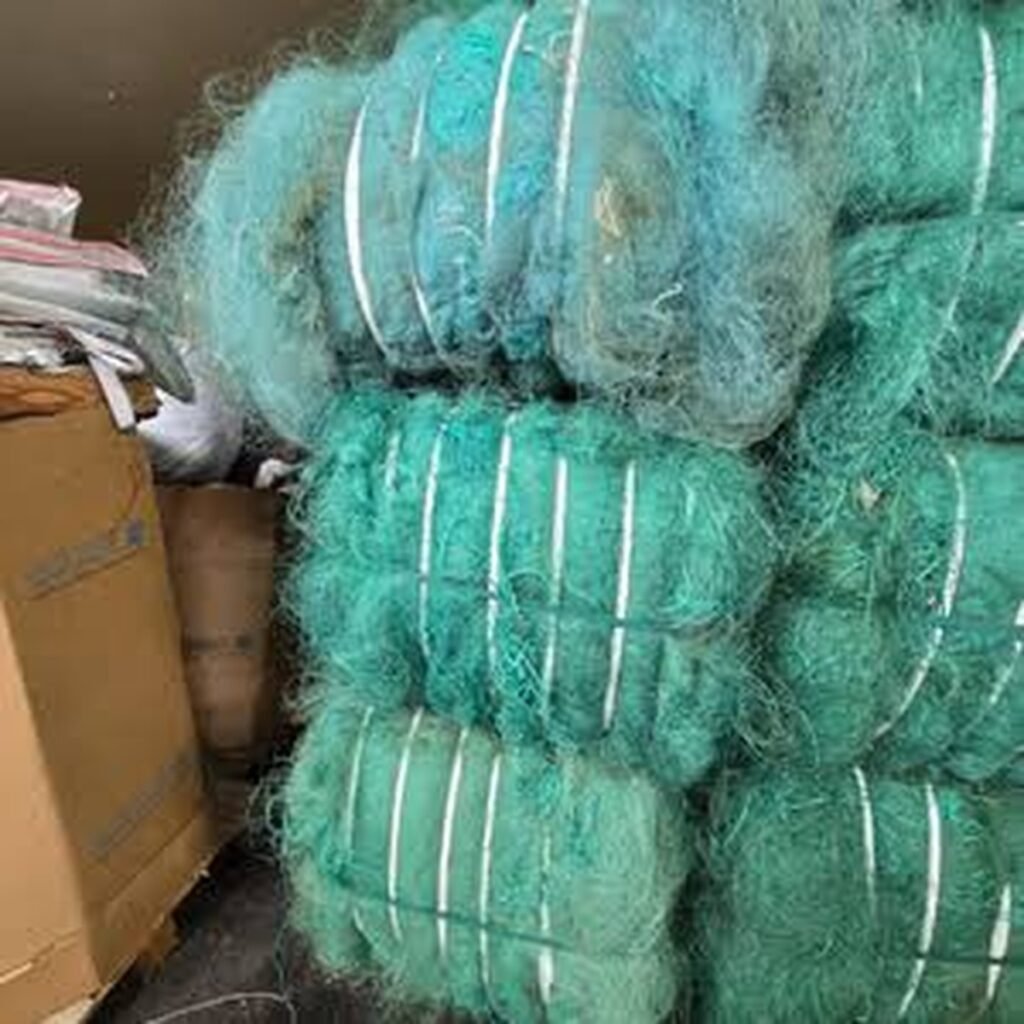
Fishnet Scrap for Plastic Recycling
Fishnet Scrap consists of discarded, used, damaged, surplus, or recovered fishing nets collected from fishing operations, aquaculture, marine activities, and related industries. Depending on the type of net, the material may contain nylon, polyethylene, polypropylene, or other synthetic polymers.
Recycling Fishnet Scrap provides an opportunity to recover valuable polymer materials and redirect them into suitable recycling and manufacturing processes. Proper sorting and preparation are important because different polymers require different recycling methods.
What Is Fishnet Scrap?
Fishnet Scrap refers to unwanted fishing nets and netting materials that are no longer required for their original purpose. These materials can originate from commercial fishing, aquaculture, fishing-net manufacturers, marine operations, and collection or recovery programmes.
The composition of Synthetic Polymer Netting depends on the original net. Some nets are manufactured from nylon or polyamide, while others may be produced from polyethylene or polypropylene.
Types of Fishnet Scrap
Common forms of Synthetic Polymer Netting include:
- Nylon fishing nets
- Polyamide fishing nets
- Polyethylene fishing nets
- Polypropylene fishing nets
- Aquaculture nets
- Commercial fishing nets
- Used fishing net rolls
- Damaged fishing nets
- Production off-cuts
- Post-industrial netting waste
- Recovered marine net material
The polymer type should be identified and separated before recycling whenever possible.
Technical Specifications,
| Specification | Typical Information |
|---|---|
| Material | Synthetic Polymer Netting |
| Common Polymers | Nylon, PA, PE, PP |
| Form | Nets, Rolls, Bundles or Pieces |
| Condition | Used, Damaged, Surplus or Recovered |
| Colour | Various |
| Polymer Identification | Required for Accurate Recycling |
| Contamination | Preferably Clean and Sorted |
| Moisture | Dry Material Preferred |
| Processing | Sorting, Cutting, Shredding or Granulation |
| Packaging | Bales, Bags, Bundles or Bulk |
| Application | Plastic Recycling and Reprocessing |
Specifications vary according to the source and polymer composition. Buyers should confirm the material type and condition before purchasing.
Materials
The polymer composition is an important factor when evaluating it. Nylon fishing nets have different recycling characteristics from polyethylene or polypropylene nets.
For this reason, material identification and sorting can improve the efficiency of downstream recycling. Mixed polymer loads should be clearly identified before processing.
Recycling,
Recycling Fishnet Scrap normally begins with collection and sorting. Nets may then be inspected and prepared for mechanical recycling or another suitable recovery process.
A typical preparation process may include:
- Collection
- Sorting by polymer type
- Removal of foreign materials
- Cleaning where required
- Cutting or size reduction
- Shredding
- Further processing or granulation
- Reuse as recycled polymer feedstock
The appropriate process depends on the polymer, contamination level, moisture, and intended recycled product.
Applications,
Processed Fishnet Scrap can potentially be used as a feedstock for a range of recycled plastic products, depending on polymer type and processing quality.
Potential applications include:
- Recycled plastic products
- Plastic pellets or regrind
- Industrial plastic components
- Plastic moulding applications
- Recycled polymer products
- Manufacturing feedstock
- Plastic composite materials
The final application should be determined by the material’s polymer composition and verified quality.
Nylon Fishnet Scrap
Nylon or polyamide fishing nets can be valuable recycling materials when collected and sorted appropriately. Nylon is a thermoplastic polymer that can be mechanically processed into recycled material for suitable manufacturing applications.
Fishnet Scrap made from nylon should be kept separate from incompatible polymers whenever possible to maintain material consistency.
Clean Fishnet Scrap
Clean and properly sorted material is generally more suitable for recycling. Excessive contamination from marine debris, ropes, metals, oils, organic matter, sand, or other materials can affect processing and final product quality.
Before supplying Fishnet Scrap, unwanted foreign materials should be removed where practical and the polymer type should be clearly identified.
Buying Fishnet Scrap
When sourcing Fishnet Scrap, buyers should consider:
- Polymer type
- Nylon, PA, PE or PP composition
- Cleanliness
- Contamination level
- Moisture
- Colour
- Physical form
- Quantity
- Source
- Processing condition
- Packaging requirements
Providing accurate information about the material helps recycling companies determine the appropriate processing method.
Fishnet Scrap Quality Verification
Quality inspection is important when purchasing recovered fishing nets. Buyers should verify the polymer composition, physical condition, contamination, moisture, and quantity.
For mixed or unidentified loads, polymer identification or laboratory testing may be appropriate before processing large quantities.
Wholesale Supply
Wholesale buyers may require consistent quantities of Fishnet Scrap with clearly identified polymer specifications. Material can potentially be supplied as loose nets, bundles, bales, rolls, cut pieces, or other agreed formats.
Commercial enquiries should specify the polymer type, quantity, condition, packaging preference, destination, and technical requirements.
Benefits,
Recycling Fishnet Scrap can help recover synthetic polymer materials that would otherwise enter disposal streams. It also supports the reuse of existing plastic resources within manufacturing and recycling supply chains.
Potential benefits include:
- Recovery of reusable polymers
- Reduction of plastic waste
- Support for circular material supply
- Reuse of post-industrial and recovered materials
- Reduced demand for suitable virgin polymer feedstock
- Better resource utilisation
Conclusion
Fishnet Scrap is a recoverable source of synthetic polymer material generated from fishing, aquaculture, marine operations, and net manufacturing. Depending on its composition, it may contain nylon, polyethylene, polypropylene, or other polymers suitable for recycling.
The recycling value of Fishnet Scrap depends heavily on polymer identification, cleanliness, contamination, moisture, and physical condition. Proper sorting and preparation can help ensure that recovered fishing nets are suitable for further processing and the production of recycled plastic materials.