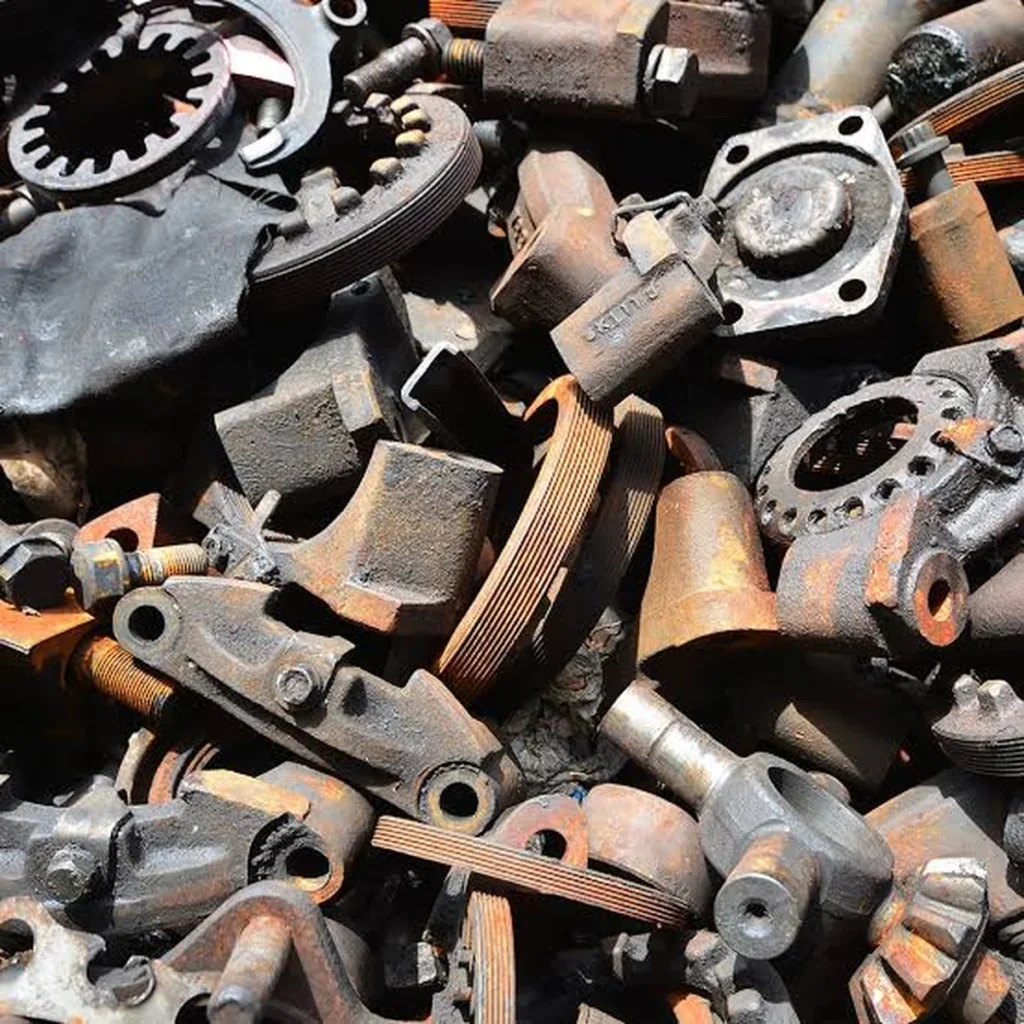
Steel Scrap consists of unwanted, surplus or end-of-life steel materials collected for recycling and metal recovery. It can come from construction, manufacturing, demolition, automotive, engineering and industrial activities.
Common materials include steel plates, sheets, pipes, beams, machinery components, fabrication offcuts and other steel products.
Proper sorting helps separate suitable grades and improves the efficiency of the recycling process.
Types of Steel Scrap
Steel Scrap is available in different forms and grades, including:
- Heavy steel scrap
- Structural steel
- Steel plates and sheets
- Steel pipes
- Machinery scrap
- Automotive steel
- Steel wire
- Fabrication offcuts
- Demolition steel
- Shredded steel
Technical Specifications
| Specification | Description |
|---|---|
| Product Name | Steel Scrap |
| Material Category | Ferrous Metal |
| Primary Material | Steel |
| Metal Type | Ferrous |
| Source | Construction, manufacturing, automotive, demolition and industrial sectors |
| Form | Plates, sheets, pipes, beams, wires, components or mixed pieces |
| Condition | Used, surplus or end-of-life |
| Sorting | Mixed or graded |
| Composition | Primarily iron-based steel |
| Alloy Content | Varies according to steel grade |
| Contamination | Should be minimised |
| Moisture | Preferably clean and dry |
| Packaging | Loose, bundles, bales, pallets or bulk |
| Application | Recycling and secondary raw-material processing |
Specifications may vary according to grade, source and composition.
Recycling Process
Steel Scrap is collected, inspected and sorted according to its type, size and grade. Depending on the material, it may be cut, baled or shredded before further processing.
The recovered steel can then be used as a secondary raw material for appropriate steel manufacturing applications.
Sorting and Grading
Sorting Steel Scrap helps separate different grades and remove unwanted materials. Proper preparation can improve consistency and make the material easier to process.
Steel with excessive contamination or mixed materials may require additional processing before recycling.
Sources,
It can be generated by:
- Construction and demolition
- Manufacturing and fabrication
- Automotive industries
- Engineering businesses
- Industrial machinery
- Infrastructure projects
- Commercial facilities
Benefits,
Recycling it helps recover existing steel materials and return them to productive use. It supports resource efficiency, reduces unnecessary waste and provides secondary raw materials for the metal industry.
Steel Scrap for Buyers
It can be supplied as mixed, sorted or graded material depending on availability and buyer requirements. Grade, quantity, cleanliness, composition and market conditions can influence its suitability and commercial value.
Preparation,
For efficient processing, it should ideally be sorted by type, kept reasonably clean and dry, and separated from excessive non-metallic contamination.
Steel Scrap and the Circular Economy
It contributes to the circular economy by allowing used steel products to be recovered and processed into secondary raw materials rather than being discarded.
Frequently Asked Questions
What is Steel Scrap?
It is unwanted or end-of-life steel collected for recycling and material recovery.
Is Steel Scrap recyclable?
Yes. it is highly recyclable and can be processed into secondary raw material for suitable applications.
What affects value?
Grade, composition, weight, cleanliness, contamination, preparation and current market conditions can influence its value.
Should it be sorted?
Yes. Sorting helps identify different grades and improves recycling efficiency.
Conclusion
It is a valuable recyclable ferrous material from construction, manufacturing, automotive and industrial sources. Proper collection, sorting and preparation can maximise recovery and support the continued use of steel as a secondary raw material.