HDPE Blue Drum Regrind: Complete Guide to Recycling & Applications
What Is HDPE Blue Drum Regrind?
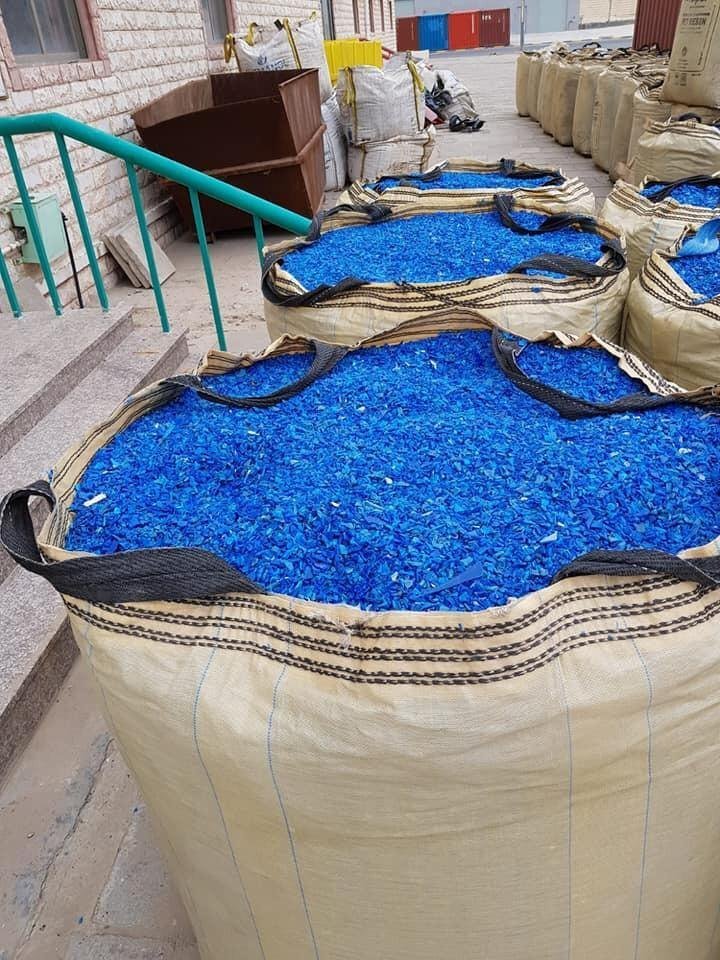
HDPE Blue Drum Regrind is recycled high-density polyethylene produced from used plastic drums and containers. The material is collected, sorted, cleaned, processed, and mechanically reduced into smaller flakes or granules for reuse in plastic manufacturing.
Different Types,
HDPE Blue Drum Regrind can vary according to colour, particle size, cleanliness, and processing method. Common grades include washed and unwashed material, depending on the intended application.
How HDPE Blue Drum Regrind Is Produced
The recycling process for it normally includes collection, inspection, sorting, removal of unwanted materials, shredding, washing, drying, grinding, and screening. Proper processing helps produce consistent recycled material.
Applications,
It can be used in manufacturing plastic bins, containers, pallets, pipes, industrial products, sheets, and other moulded plastic items. The final application depends on quality and processing specifications.
Quality Factors
The quality of HDPE Blue Drum Regrind depends on contamination levels, moisture, color consistency, particle size, polymer purity, and washing quality. Clean and well-sorted material is generally more suitable for demanding recycling applications.
Benefits,
Recycling it helps reduce plastic waste, conserve raw materials, lower landfill disposal, and support a circular plastics economy. It also provides manufacturers with an alternative source of recycled polymer.
Technical Specifications
| Specification | Typical Description |
|---|---|
| Material | Recycled HDPE |
| Source | Used plastic drums |
| Colour | Blue |
| Form | Regrind / flakes |
| Processing | Shredded, washed and ground |
| Moisture | Low, depending on processing |
| Packaging | Bags, jumbo bags or bulk |
| Application | Plastic manufacturing |
Buying and Selling,
When purchasing HDPE Blue Drum Regrind, buyers should consider cleanliness, polymer grade, colour, particle size, moisture content, packaging, and available quantity. Sellers should provide accurate specifications and clear information about processing and contamination.
Sustainability
Using it supports the recovery and reuse of post-consumer and post-industrial plastics. Converting discarded drums into reusable material helps extend the life of valuable polymers and reduce dependence on virgin plastic.
Conclusion
It is a practical recycled plastic material for manufacturers seeking reusable HDPE feedstock. Its quality, consistency, and applications depend mainly on sorting, cleaning, processing, and storage standards.d: Complete Guide to Recycling & Applications