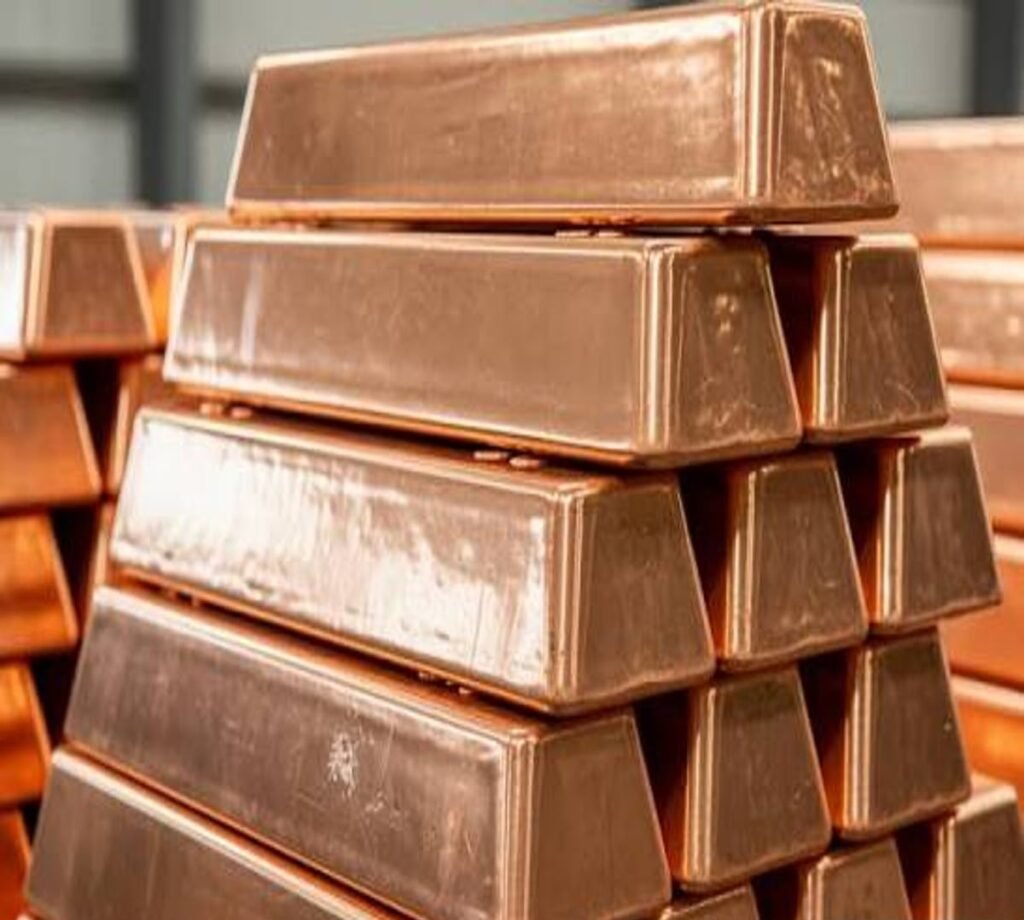
Copper Bullion Bar for Industrial and Commercial Applications
A Copper Bullion Bar is a solid form of refined copper manufactured in a standardized bar or ingot format. Copper is one of the world’s most widely used industrial metals because of its excellent electrical and thermal conductivity, corrosion resistance, ductility, and recyclability.
Copper bars can be produced in different dimensions, weights, and purity levels according to the requirements of manufacturers, metal processors, industrial users, traders, and other commercial buyers.
What Is a Copper Bullion Bar?
A Copper Bullion Bar is refined copper formed into a bar or ingot for convenient handling, storage, transportation, processing, or commercial trading. Depending on the producer, bars may include markings identifying their weight, purity, manufacturer, batch, or other material information.
Unlike gold or silver bullion, copper bars are generally associated more closely with industrial metal supply and collection than with conventional investment bullion. Their value depends on copper purity, weight, market conditions, processing requirements, and other commercial factors.
Copper Bullion Bar Purity
Purity is an important consideration when sourcing a Copper Bullion Bar. High-purity copper is particularly important for electrical, manufacturing, and other applications where consistent chemical composition and conductivity are required.
Copper products may be supplied in different grades, including high-purity refined copper. The exact specification should always be verified through the manufacturer’s documentation, certificate of analysis, or appropriate material testing.
Technical Specifications
| Specification | Typical Information |
|---|---|
| Product | Copper Bullion Bar |
| Chemical Symbol | Cu |
| Atomic Number | 29 |
| Material | Refined Copper |
| Appearance | Reddish-orange metallic |
| Form | Bar / Ingot |
| Purity | Varies according to grade |
| Melting Point | Approximately 1,085°C |
| Density | Approximately 8.96 g/cm³ |
| Electrical Conductivity | High |
| Thermal Conductivity | High |
| Properties | Ductile, malleable and corrosion-resistant |
| Packaging | Bundled, boxed, palletized or bulk |
| Application | Industrial, Manufacturing & Metal Processing |
Specifications may vary according to the manufacturer, grade, and intended application. Buyers should confirm the exact specification before purchasing.
Properties of Copper Bullion Bar
A Copper Bullion Bar provides refined copper in a convenient solid form. Copper’s combination of physical and electrical properties makes it an essential material across many industries.
Key characteristics include:
- Excellent electrical conductivity
- Excellent thermal conductivity
- Good ductility
- Good malleability
- Corrosion resistance
- High recyclability
- Good machinability
- Durable metallic structure
These properties contribute to copper’s extensive use in electrical, construction, engineering, transportation, and manufacturing applications.
Applications,
Refined copper bars can be used as feedstock for a broad range of industrial processes. Common applications include:
- Electrical manufacturing
- Wire and cable production
- Copper alloy production
- Metal fabrication
- Engineering components
- Plumbing materials
- Heat exchangers
- Construction materials
- Industrial equipment
- Copper processing and recycling
Electrical Applications,
Copper is particularly important in electrical applications because of its high electrical conductivity. Refined copper can be processed into wires, cables, conductors, contacts, busbars, and other electrical components.
A Copper Bullion Bar may therefore serve as a raw material for manufacturers and metal processors requiring refined copper for further production.
Copper Bullion Bar for Manufacturing
Copper’s combination of conductivity, ductility, thermal performance, and recyclability makes it useful in numerous manufacturing processes.
Depending on its grade and dimensions, a Copper Bullion Bar can be melted, cast, machined, alloyed, or otherwise processed to produce a wide range of copper-based products.
Buying Copper Bullion Bar
When purchasing a Copper Bullion Bar, buyers should evaluate:
- Copper purity
- Weight
- Dimensions
- Chemical composition
- Manufacturer
- Certificate of Analysis
- Batch or lot information
- Physical condition
- Quantity available
- Packaging
- Delivery requirements
For industrial purchases, reliable documentation and accurate material specifications are particularly important.
Copper Bullion Bar Quality and Verification
Quality verification helps ensure that the material supplied meets the buyer’s required specifications. Buyers should review the stated purity, weight, dimensions, manufacturer information, and available documentation.
Where required, independent laboratory analysis can be used to confirm the chemical composition of a Copper Bullion Bar before a commercial transaction is completed.
Wholesale Supply
Wholesale buyers may require specific copper grades, bar sizes, quantities, packaging formats, and documentation. Availability can vary according to production, inventory, market conditions, and buyer requirements.
For commercial enquiries, buyers should provide the required quantity, preferred purity or grade, dimensions, destination, and documentation requirements.
Why Choose Copper Bullion Bar?
Copper remains an important industrial metal because of its conductivity, durability, versatility, and high recyclability. Supplying copper in bar or ingot form provides a practical format for industrial processing and commercial handling.
A properly specified Copper Bullion Bar can be suitable for manufacturers, metal processors, engineering businesses, and other industrial users requiring refined copper feedstock.
Conclusion
A Copper Bullion Bar is a convenient solid form of refined copper used primarily for industrial, manufacturing, commercial, and metal-processing applications. Its excellent electrical and thermal conductivity, ductility, malleability, durability, and recyclability make copper an essential material across numerous industries.
Before purchasing, buyers should verify purity, weight, dimensions, chemical composition, documentation, and applicable commercial requirements. Accurate specifications and appropriate material verification help ensure that the copper meets the requirements of its intended application.