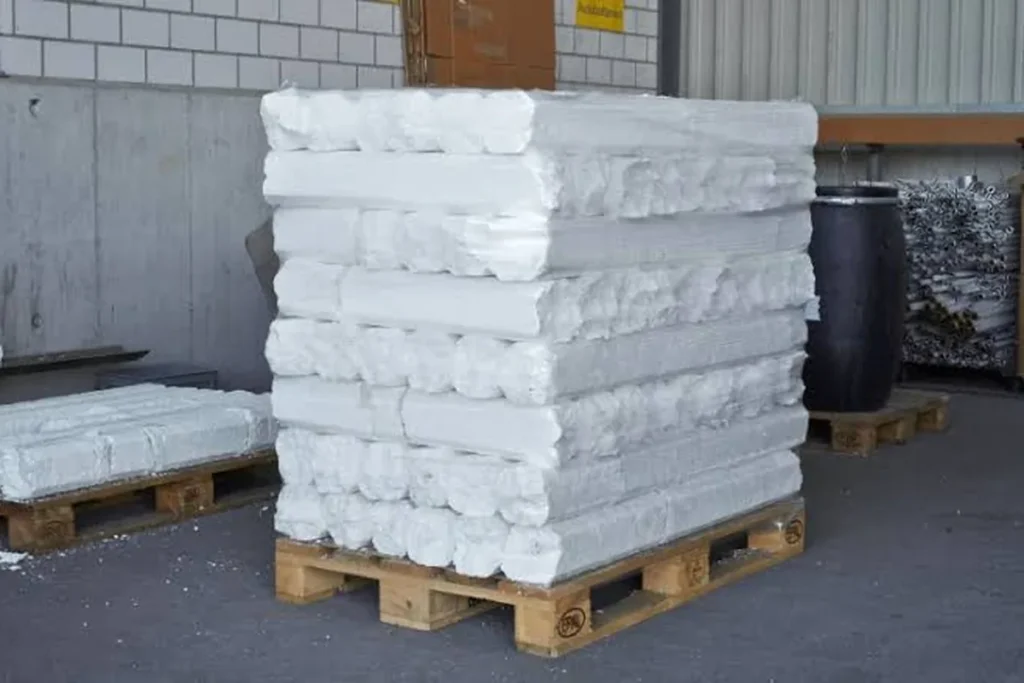
EPS Block Scrap for Recycling and Manufacturing
EPS Block Scrap is recovered expanded polystyrene material generated from manufacturing processes, packaging operations, construction activities, insulation products, and other commercial sources. EPS, commonly known as expanded polystyrene, is a lightweight cellular plastic material consisting primarily of polystyrene beads expanded with air.
Recycling EPS Block Scrap provides an opportunity to recover usable polystyrene material and redirect it into manufacturing and recycling streams. Depending on its condition, grade, cleanliness, and form, EPS scrap can be compacted, processed, granulated, or recycled into new plastic products.
What Is EPS Block Scrap?
EPS Block Scrap consists of unwanted, surplus, off-cut, damaged, or recovered expanded polystyrene blocks. These blocks are typically lightweight and contain a high proportion of trapped air, giving EPS its characteristic low density.
Sources of EPS Block Scrap can include insulation manufacturing, packaging production, construction sites, protective packaging, and industrial processing operations.
The material may be supplied as large blocks, off-cuts, production waste, or sorted pieces.
Different Types,
Common forms of Expanded Polystyrene (EPS) include:
- EPS block off-cuts
- Clean EPS blocks
- Packaging EPS
- Insulation EPS
- Production EPS waste
- White EPS foam scrap
- Post-industrial EPS
- Recovered EPS material
- EPS manufacturing off-cuts
- Mixed EPS pieces
The exact grade and recycling suitability depend on the source and contamination level.
Technical Specifications
| Specification | Typical Information |
|---|---|
| Material | Expanded Polystyrene (EPS) |
| Polymer | Polystyrene (PS) |
| Form | Blocks, Off-Cuts or Pieces |
| Appearance | Commonly White, but Colours May Vary |
| Density | Varies by EPS Grade |
| Condition | Used, Surplus or Post-Industrial |
| Contamination | Preferably Clean and Sorted |
| Moisture | Low / Dry Material Preferred |
| Processing | Compaction, Grinding or Reprocessing |
| Packaging | Bales, Blocks, Bags or Bulk |
| Application | Recycling and Plastic Manufacturing |
Specifications may vary according to the source, grade, processing history, and buyer requirements. Buyers should confirm material specifications before purchase.
EPS Block Scrap Properties
EPS is valued for its lightweight structure, insulating characteristics, cushioning performance, and versatility. These properties have made expanded polystyrene widely used in packaging, insulation, construction, and protective applications.
Important characteristics include:
- Lightweight structure
- Low density
- Thermal insulation properties
- Shock and cushioning performance
- Moisture resistance
- Easy processing
- Recyclability
- Thermoplastic composition
The physical characteristics of recovered EPS Block Scrap can vary depending on its density, previous use, contamination, and processing condition.
Recycling
Recycling EPS Block Scrap can involve several processing stages depending on the desired end product. Clean post-industrial material may be sorted and processed more easily than heavily contaminated post-consumer material.
Typical recycling processes can include:
- Collection
- Sorting
- Inspection
- Removal of contaminants
- Compaction or size reduction
- Grinding or densification
- Reprocessing
- Manufacturing into new products
The appropriate recycling method depends on the material’s composition, cleanliness, density, and intended end use.
Applications,
Processed EPS Block Scrap can be used as a feedstock for various recycled polystyrene applications.
Potential applications include:
- Recycled plastic products
- Packaging materials
- Insulation-related products
- Construction materials
- Protective packaging
- Plastic processing
- Manufacturing feedstock
- Recycled polystyrene products
The final application depends on the quality and processing requirements of the material.
Clean EPS Block Scrap
Clean material is generally more suitable for recycling because it contains fewer unwanted substances that may interfere with processing.
Clean EPS Block Scrap should ideally be free from excessive dirt, food residue, adhesives, metals, wood, and other incompatible materials. Sorting requirements can vary between recycling facilities and end users.
Buying EPS Block Scrap
When sourcing EPS Block Scrap, buyers should evaluate:
- Material type
- EPS grade
- Density
- Colour
- Cleanliness
- Contamination level
- Moisture
- Physical form
- Quantity available
- Packaging
- Source
- Processing requirements
Clear material specifications help buyers determine whether the scrap is suitable for their recycling or manufacturing process.
Quality Verification
Quality inspection is important when purchasing recycled plastic materials. Buyers should assess the material’s cleanliness, polymer type, density, moisture content, colour, and physical condition.
Where required, material testing can be performed to confirm polymer composition and other technical characteristics before large-scale processing.
Wholesale Supply
Wholesale buyers may require substantial quantities of EPS Block Scrap with consistent specifications. Depending on the source, the material can be supplied as blocks, off-cuts, loose pieces, compacted material, or other agreed formats.
Commercial enquiries should include the required quantity, material condition, preferred packaging, destination, and technical requirements.
Benefits,
Recycling EPS Block Scrap can help reduce the amount of recoverable plastic material entering disposal streams while creating an opportunity to reuse polystyrene in new applications.
Key benefits include:
- Recovery of reusable plastic
- Reduction of plastic waste
- Support for circular material supply
- Reduced demand for virgin material in suitable applications
- Efficient use of post-industrial EPS
- Potential recovery of valuable manufacturing waste
Conclusion
EPS Block Scrap is a lightweight recyclable plastic material recovered from EPS manufacturing, packaging, insulation, construction, and other commercial sources. Its polystyrene composition makes it suitable for processing and recovery when the material is properly sorted and prepared.
The quality and recycling potential of EPS Block Scrap depend on factors such as polymer type, density, cleanliness, contamination, moisture, and physical form. Buyers should verify these characteristics before purchasing to ensure compatibility with their recycling or manufacturing requirements.