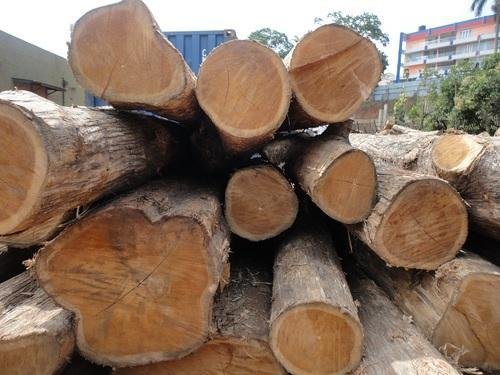
Birch Wood Logs
Birch Wood Logs are versatile timber products valued for their attractive appearance, workable characteristics, smooth texture, and wide range of commercial applications. Birch is commonly used in furniture manufacturing, interior woodworking, flooring, joinery, panels, decorative products, and other timber applications.
Depending on the species, growing conditions, harvesting method, and grading requirements, Birch Wood Logs can vary in diameter, length, moisture content, colour, grain pattern, and overall quality. Proper grading and sorting help buyers select material suitable for specific processing and manufacturing requirements.
What Are Birch Wood Logs?
Birch Wood Logs are round timber sections obtained from birch trees. Birch species are found across Europe, Asia, and North America, with different species offering varying characteristics.
Birch timber is generally recognised for its light-coloured appearance, relatively fine texture, and good machining properties. The wood can be processed into boards, planks, veneers, plywood components, furniture parts, flooring, and other finished or semi-finished timber products.
Appearance and Grain of Birch Wood Logs
Birch typically has a pale appearance ranging from creamy white and light yellow to light brown. The heartwood may show slightly darker tones depending on the species and growing conditions.
The grain is commonly straight, although variations can occur. Birch has a relatively fine and even texture, making it suitable for applications where a clean and consistent surface finish is required.
Technical Specifications,
| Specification | Typical Description |
|---|---|
| Product | Birch Wood Logs |
| Wood Type | Hardwood |
| Common Colour | Creamy white to light brown |
| Grain | Generally straight, sometimes irregular |
| Texture | Fine to medium |
| Density | Varies by species and moisture content |
| Moisture | Fresh, air-dried or kiln-dried depending on supply |
| Form | Round logs |
| Length | Available according to supplier specification |
| Diameter | Variable according to log grade |
| Processing | Sawing, peeling, turning and machining |
| End Use | Furniture, flooring, panels, joinery and woodworking |
Specifications can vary according to species, origin, grade, moisture content, and buyer requirements.
Properties,
Birch Wood Logs offer several characteristics that make birch timber useful for commercial processing:
- Light and attractive natural colour
- Fine and relatively uniform texture
- Good machining characteristics
- Suitable for sawing and turning
- Can provide a smooth finished surface
- Suitable for staining, painting, and finishing
- Useful for furniture and interior applications
- Available in different grades and dimensions
For Furniture Manufacturing
Birch timber is widely used for furniture and woodworking because it can be machined and finished to produce clean-looking components. Depending on the grade, Birch Wood Logs can be converted into boards and other components for tables, chairs, cabinets, shelving, frames, and interior furniture.
Its light colour can also provide a neutral base for different finishing treatments.
For Flooring and Interior Applications
Birch timber can be processed for flooring, wall panels, decorative elements, mouldings, doors, and interior joinery. Its appearance makes it suitable for projects where a light natural wood finish is preferred.
The final suitability of Birch Wood Logs for flooring or structural applications should be determined according to the required grade, dimensions, moisture content, and applicable timber standards.
Birch Wood Logs for Veneer and Panel Production
Selected birch logs may be peeled or processed into veneer. Birch is also associated with plywood and engineered wood products because its properties can support the production of strong, consistent panels when appropriately processed.
Log diameter, straightness, defects, moisture, and grade can influence suitability for veneer production.
Processing,
Birch Wood Logs can undergo several stages depending on their intended application:
- Log inspection – Logs are checked for size, defects, damage, and general condition.
- Sorting and grading – Material is separated according to dimensions and quality.
- Debarking – Bark may be removed depending on the processing requirement.
- Sawing or peeling – Logs are converted into boards, planks, veneer, or other forms.
- Drying – Timber may be air-dried or kiln-dried to achieve the required moisture level.
- Finishing – Processed timber can be planed, sanded, coated, or otherwise finished.
Quality Requirements,
Commercial buyers may evaluate Birch Wood Logs based on:
- Species and origin
- Log length and diameter
- Straightness
- Moisture content
- Knots and other natural defects
- Cracks and splits
- Rot or insect damage
- Bark condition
- Colour and grain
- Overall grading
- Required documentation
Clear specifications should be agreed before purchase, particularly for bulk or international timber transactions.
Sourcing Birch Wood Logs
When sourcing Birch Wood Logs, buyers should request information about species, origin, dimensions, grade, moisture condition, quantity, packaging, and available documentation.
For international trade, buyers should also ensure that the timber has been legally harvested and that any required export, import, phytosanitary, forestry, or traceability documentation is available.
Sustainable and Legal Timber Sourcing
Responsible sourcing is important when purchasing Birch Wood Logs. Buyers should verify the legal origin of the timber and request appropriate documentation where required.
Depending on the origin and destination, additional requirements may apply concerning forestry regulations, legality verification, traceability, phytosanitary controls, and international timber trade.
Wholesale Buyers
Birch Wood Logs can be supplied for sawmills, furniture manufacturers, timber processors, woodworking businesses, panel manufacturers, and other commercial users.
For wholesale transactions, buyers can specify required log dimensions, species, grade, moisture condition, quantity, loading method, and destination requirements to ensure the material matches the intended application.
Why Choose Birch Wood Logs?
Birch Wood Logs are valued for their:
- Attractive light natural appearance
- Fine and workable texture
- Versatile processing characteristics
- Suitability for furniture and woodworking
- Potential use in veneer and panel production
- Wide range of interior applications
- Availability in different grades and dimensions
Conclusion
Birch Wood Logs are versatile hardwood timber products suitable for furniture, woodworking, flooring, veneer, panels, joinery, and other timber applications. Their light colour, fine texture, and workable characteristics make birch a useful material for both traditional and modern wood-processing industries.
For commercial purchasing, specifications such as species, dimensions, grade, moisture content, quality, origin, and legal sourcing documentation should be confirmed before shipment.